36TH NATIONAL STATISTICS MONTH
“Accelerating the SDG Pace of Progress: Mobilizing Data for All”
OCTOBER 2025
“Accelerating the SDG Pace of Progress: Mobilizing Data for All”
The Philippines, along with other members of the United Nations (UN), adopted the global action plan, “Transforming Our World: the 2030 Agenda for Sustainable Development” which aims to stimulate action in areas which are critical to humanity and the planet and to achieve sustainability by the end of 2030. This global action plan comes with a pledge that no one shall be left behind.*The Sustainable Development Goals (SDGs) consist of 17 goals that focus on the sustainable development of the country, designed explicitly for poverty eradication, environmental protection, and the promotion of our well-being. The SDGs aim to make the world more sustainable for future generations.As member of the UN, the Philippines adopted the SDG framework, with 97 targets and 158 indicators, to help the country achieve sustainable development growth. Based on the Anticipated Progress Index released by the Philippine Statistics Authority in June 2023, the country is on track for some targets while requiring accelerated efforts to address stagnation or downtrends for other targets. In response, the National Economic and Development Authority led the initiatives through the Regional SDG Catch-up Plans which aim to accelerate regional progress towards achieving the SDGs by focusing on lagging indicators and implementing targeted interventions.In October 2025, the Philippine Statistical System will celebrate the 36th National Statistics Month, which coincides with the conduct of the 16th National Convention on Statistics, with the theme, “Accelerating the SDG Pace of Progress: Mobilizing Data for All.” This year’s theme emphasizes the crucial role of data in assessing the country’s progress in achieving SDG targets; in identifying fast as well as slow-moving targets; and in providing sound bases for the crafting of programs and interventions for targets where these are most needed.Data mobilization is an effective intervention in accelerating the SDG pace of progress. It transforms granular data into actionable insights that are crucial to crafting programs and evidence-based decision-making, allocating resources, and monitoring progress that can drive innovation in the development of new technologies and solutions to address SDG challenges. By improving the availability, accessibility, and use of data, we can likewise accelerate the pace of progress and ensure that no one shall be left behind.As the SDG nears its final year, 2030, everyone is encouraged to continually support our National Government Agencies (NGAs) and the Local Government Units (LGUs) in their data collection activities. These collected data, which speak about the conditions of each and every Filipino who provided them, are necessary information that will guide our policymakers and planners including NGAs and LGUs in coming up with projects/interventions that will ensure acceleration of the SDG pace of progress for all, particularly geared at eradication of poverty, environmental protection, and promotion of the total well-being of the people.*Transforming Our World: The 2030 Agenda for Sustainable Development | Department of Economic and Social Affairs, n.d.
PUBLICATIONS AND STATISTICS IN REGION I
Click on the following agencies to exhibit their various statistical publications.


National Statistics Month
The National Statistics Month (NSM) was first observed in 1990 pursuant to Presidential Proclamation No. 647 signed by then President Corazon C. Aquino on September 20, 1990, Declaring the Month of October of Every Year as the National Statistics Month.The NSM celebration aims to:1. promote, enhance and instill awareness and appreciation of the importance and value of statistics to the different sectors of society; and2. to elicit the cooperation and support of the general public in upgrading the quality and standards of statistics in the country.
For more information, click on these links:

36th nsm: visions unveiled
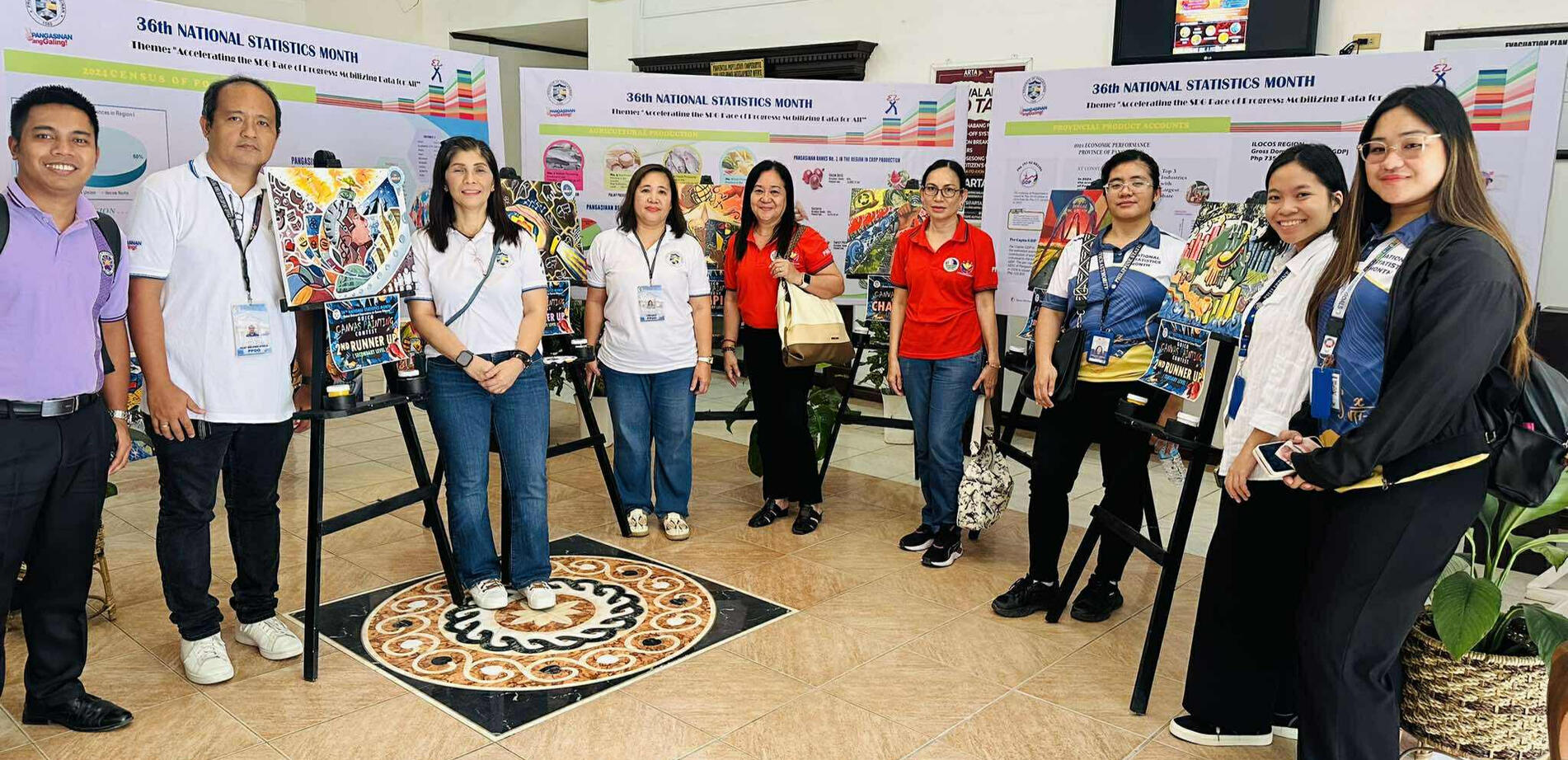
Some of the creative outputs of our contestants during the conduct of the 36th NSM regional contests.
Stat Inks
Stat Speaks
Stat Groove
36th nsm celebration in region I
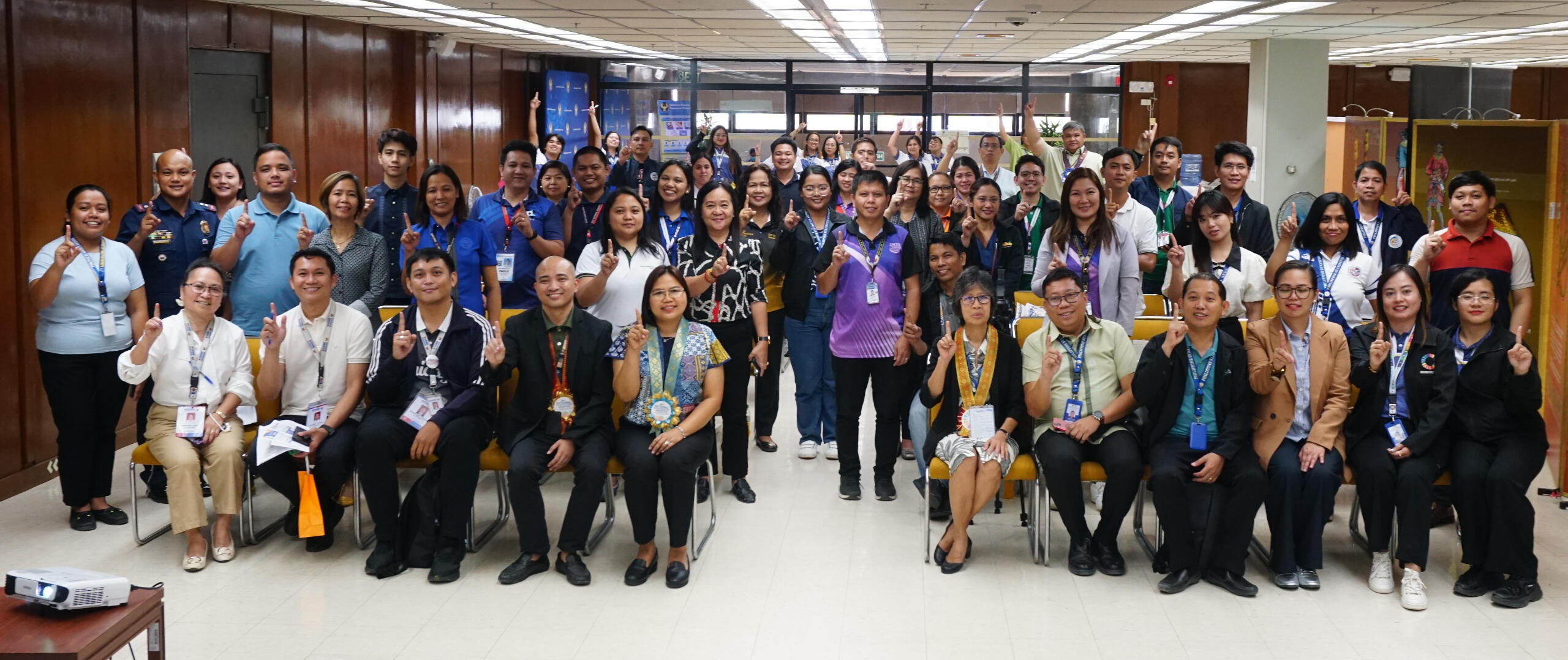
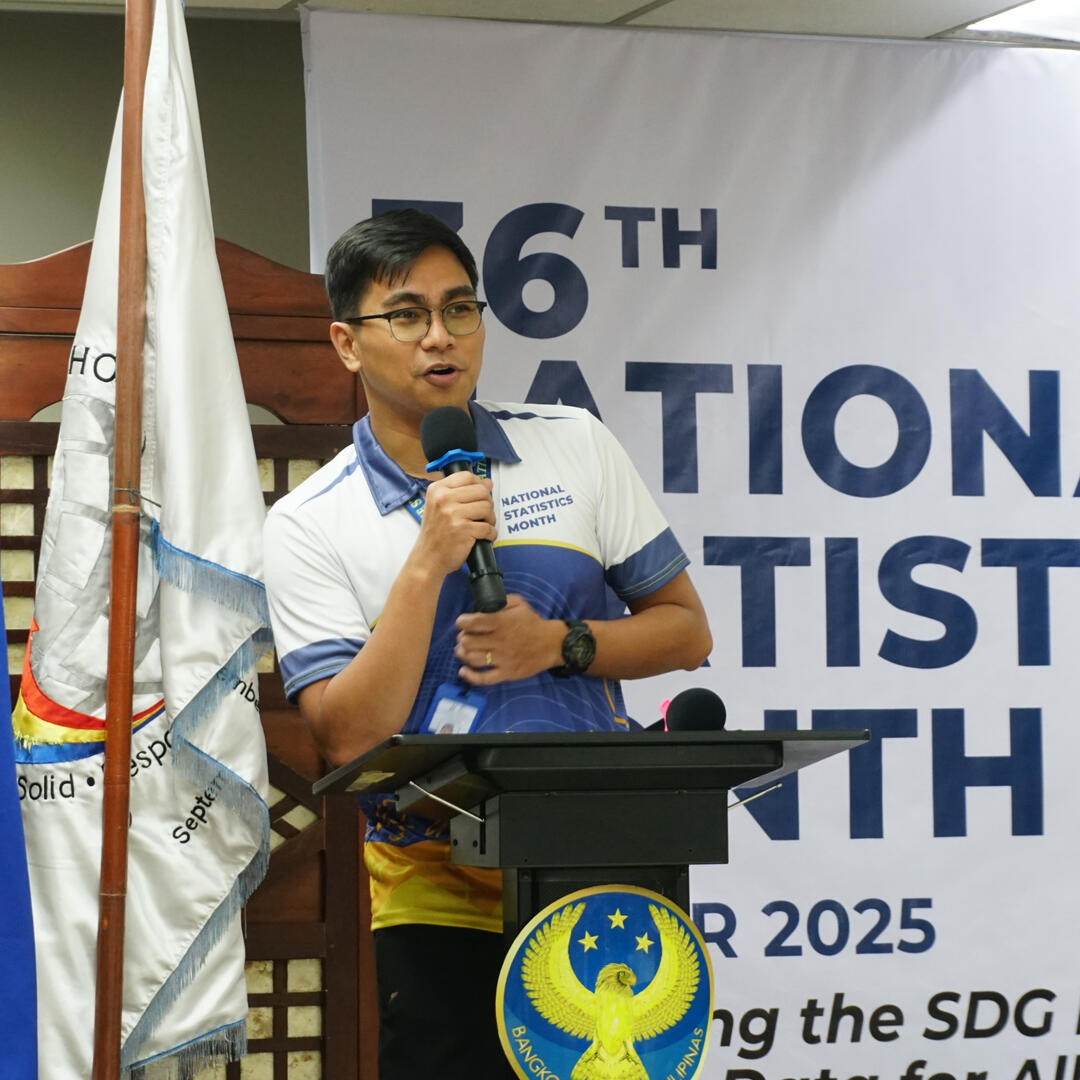
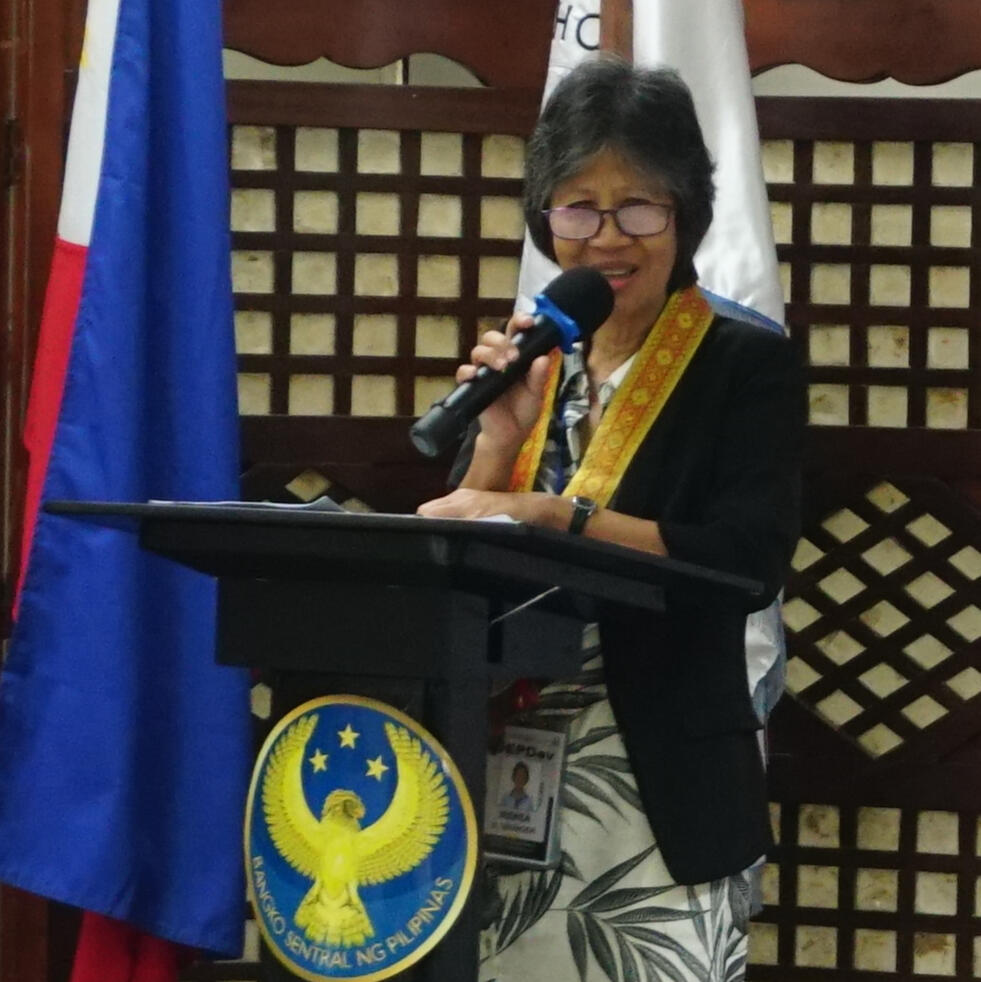
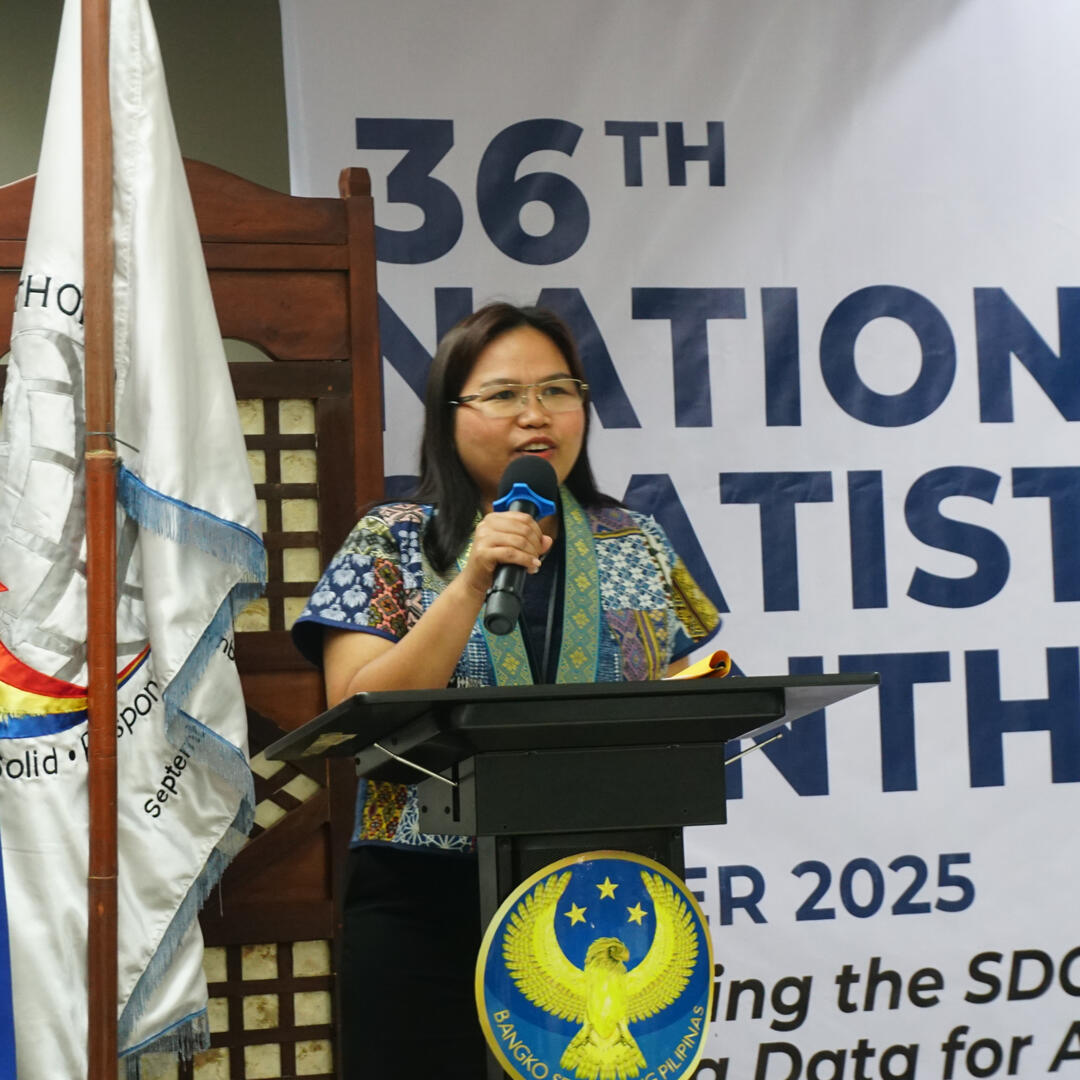
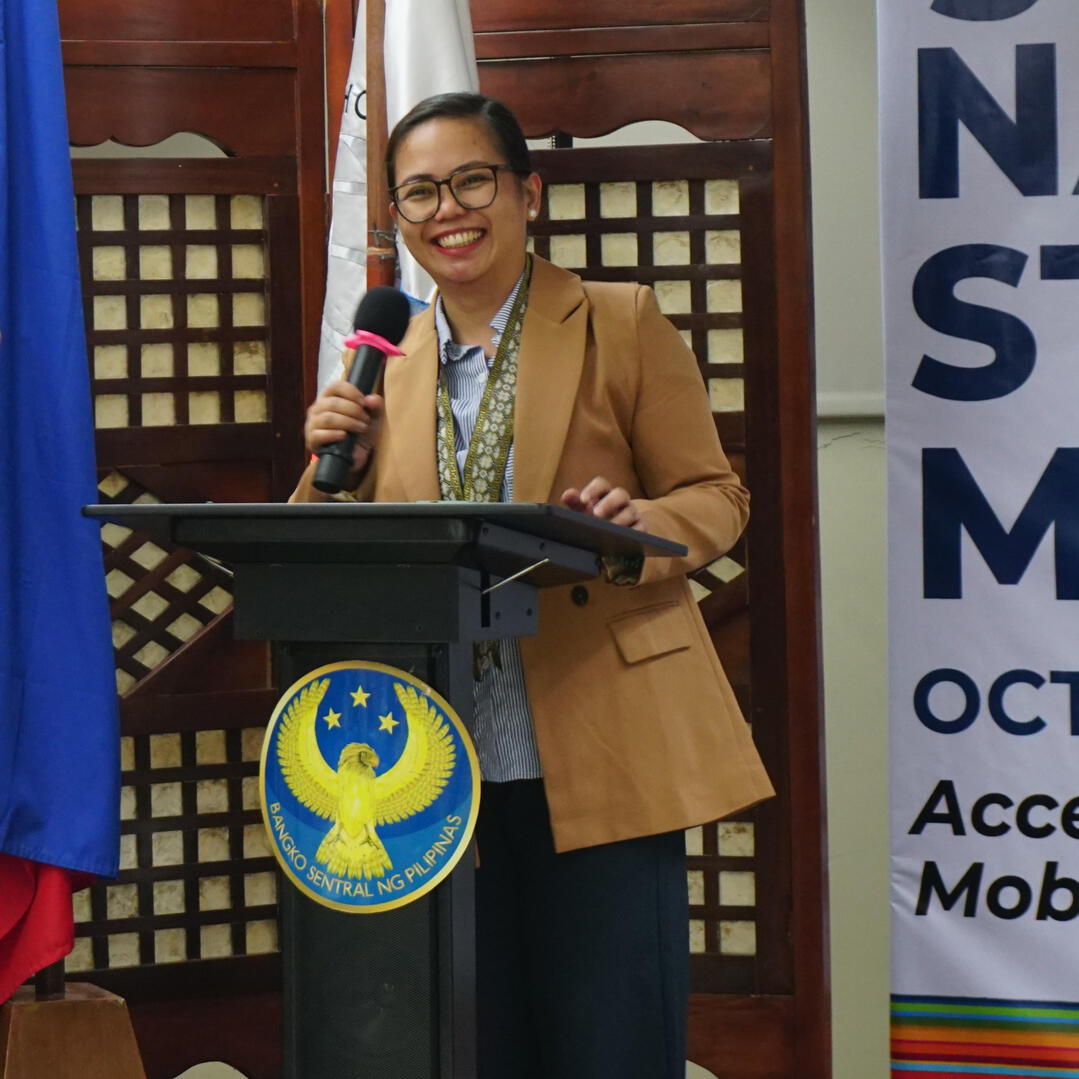
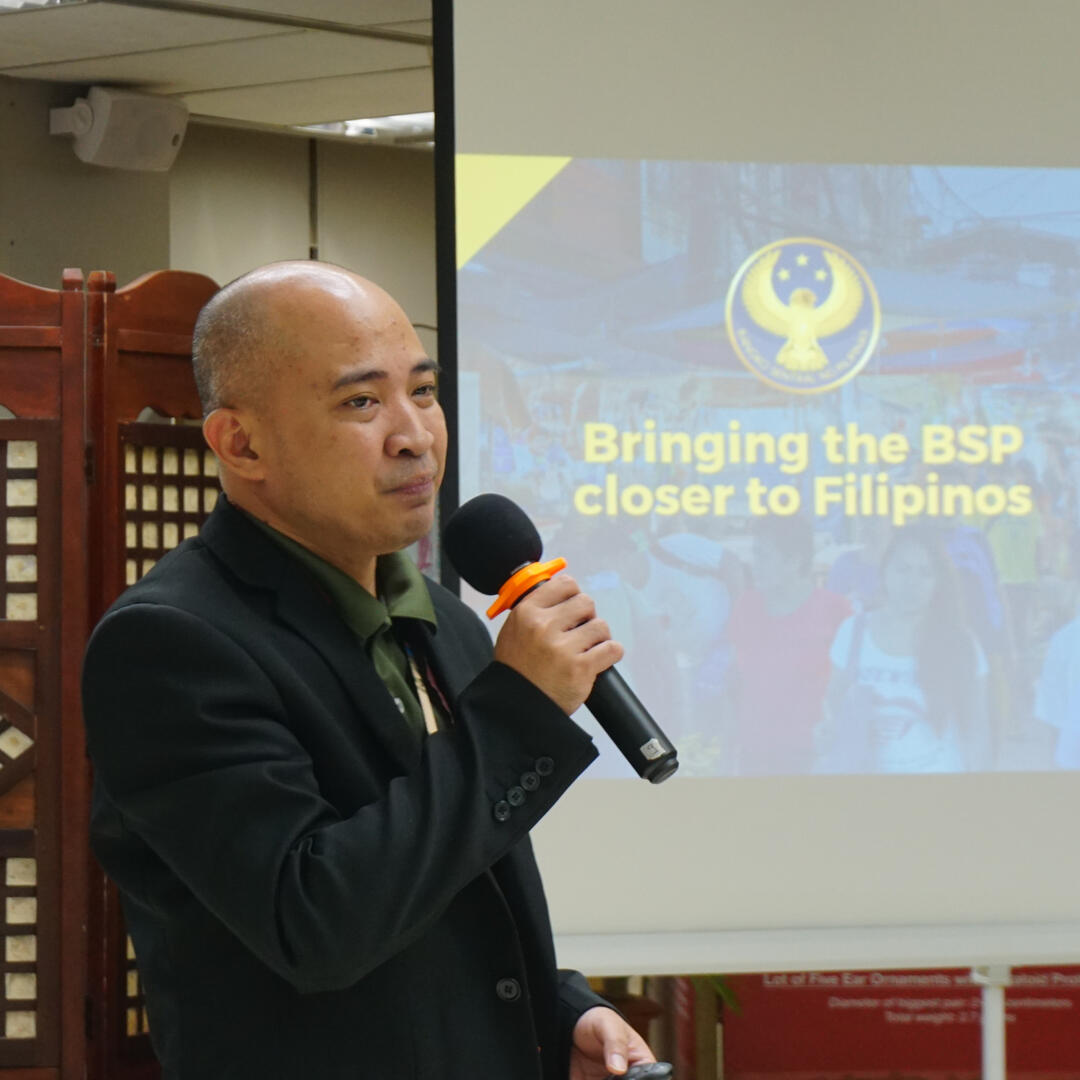
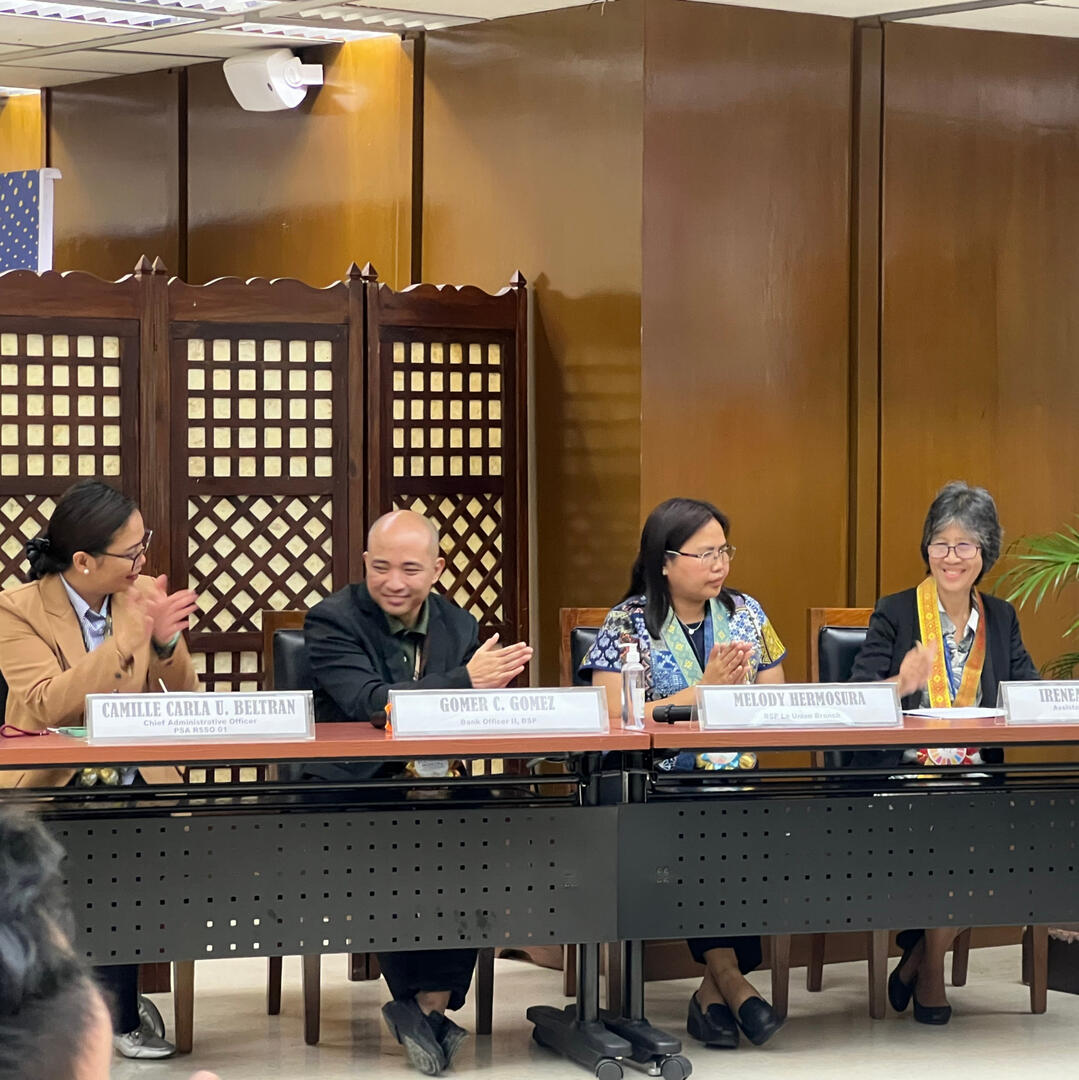
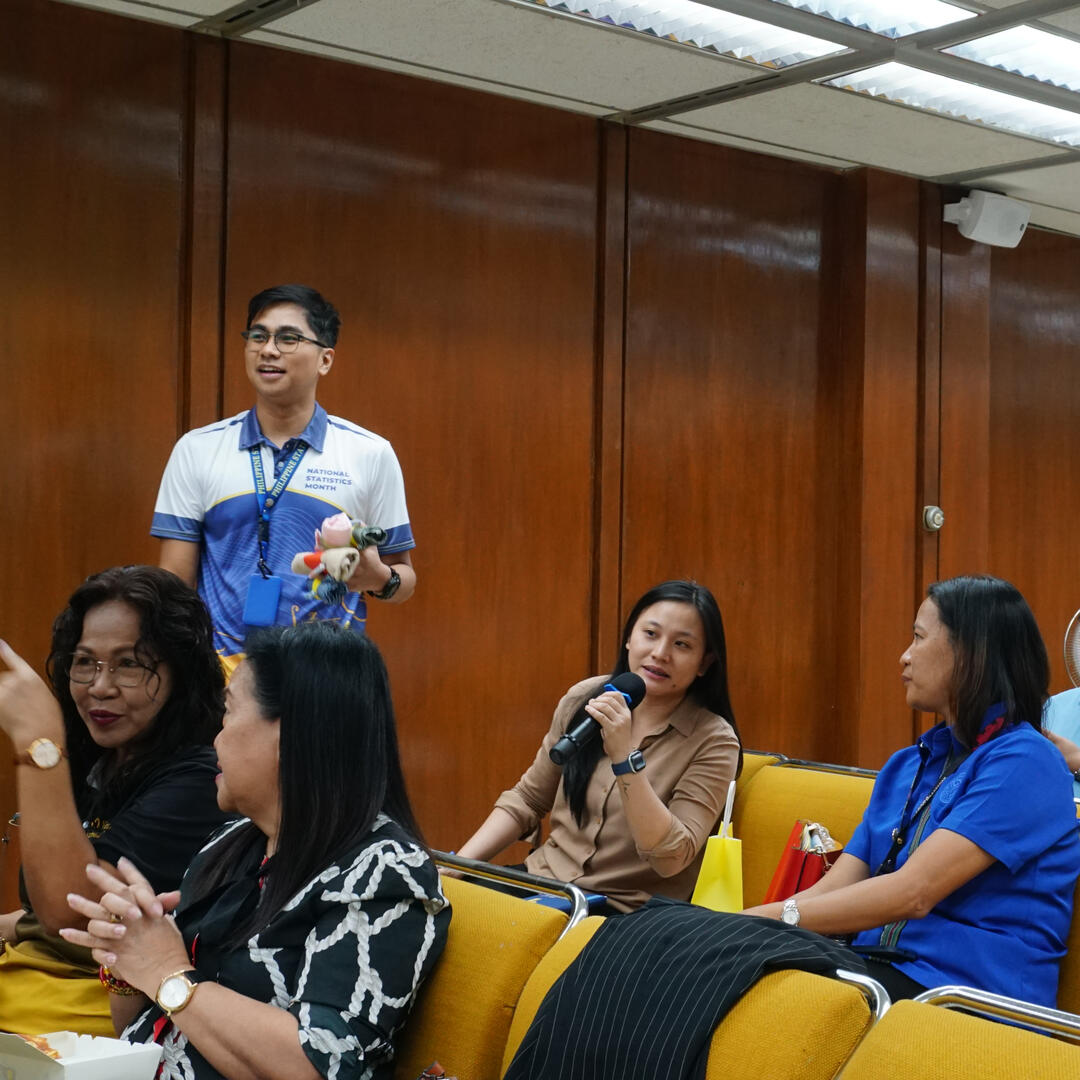
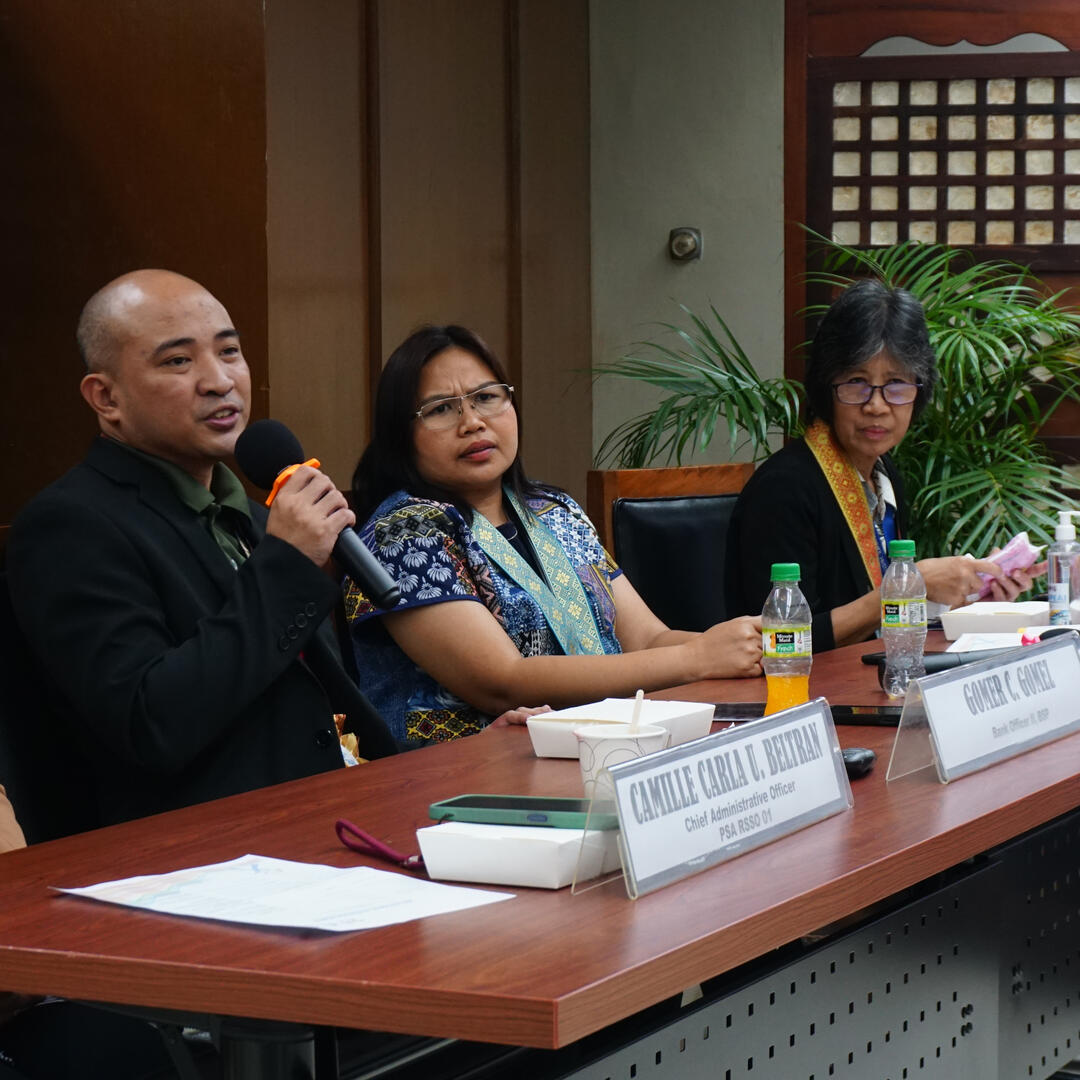
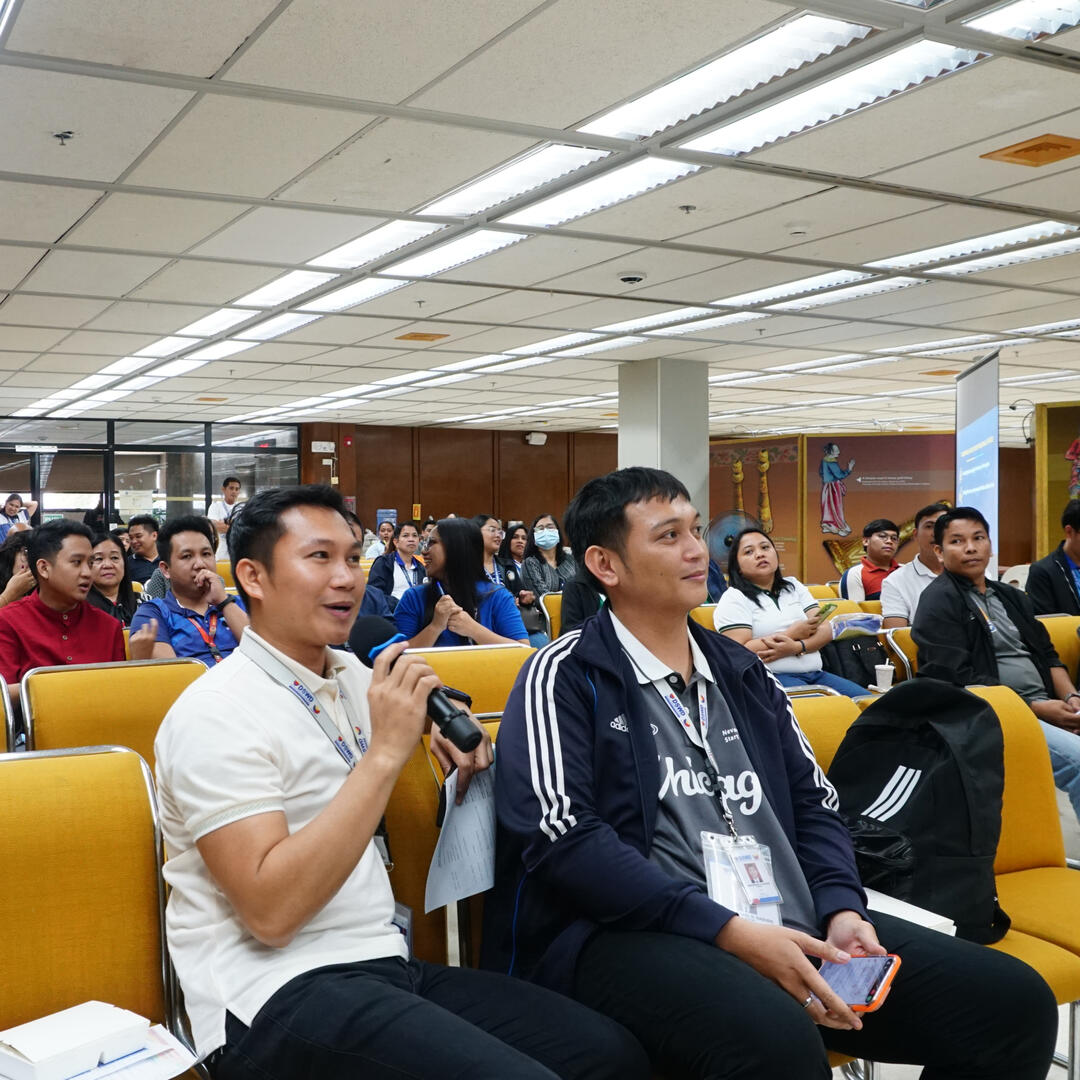
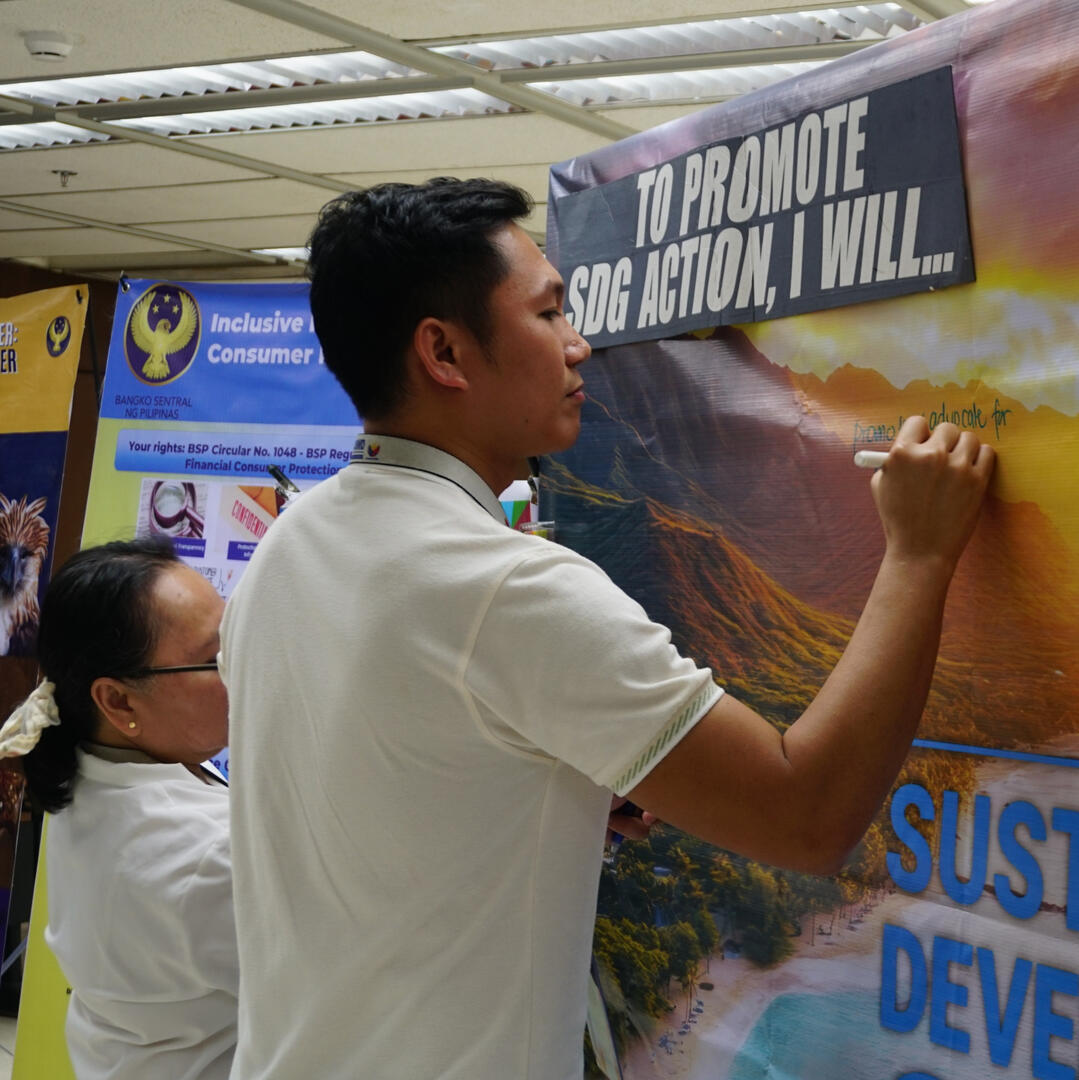
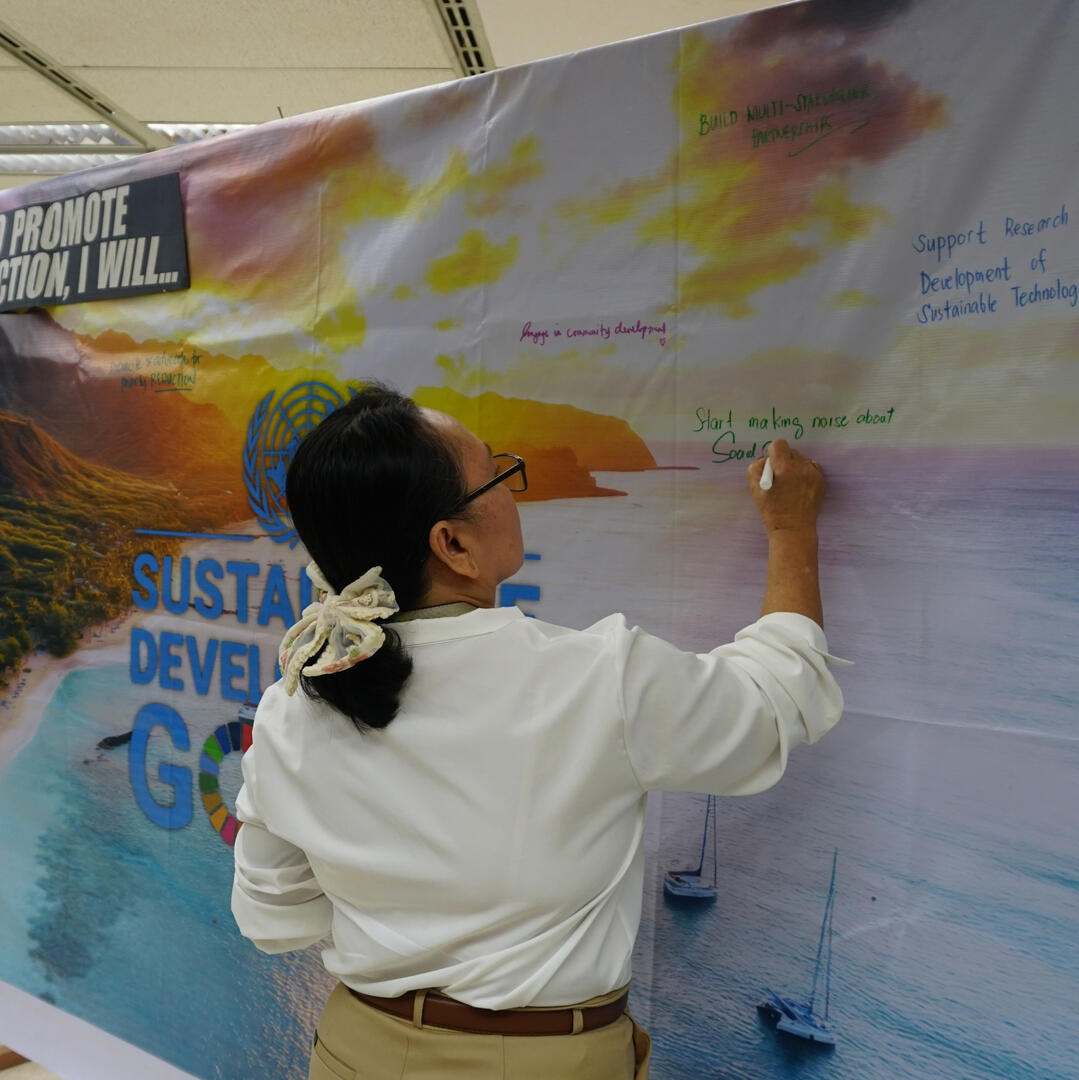
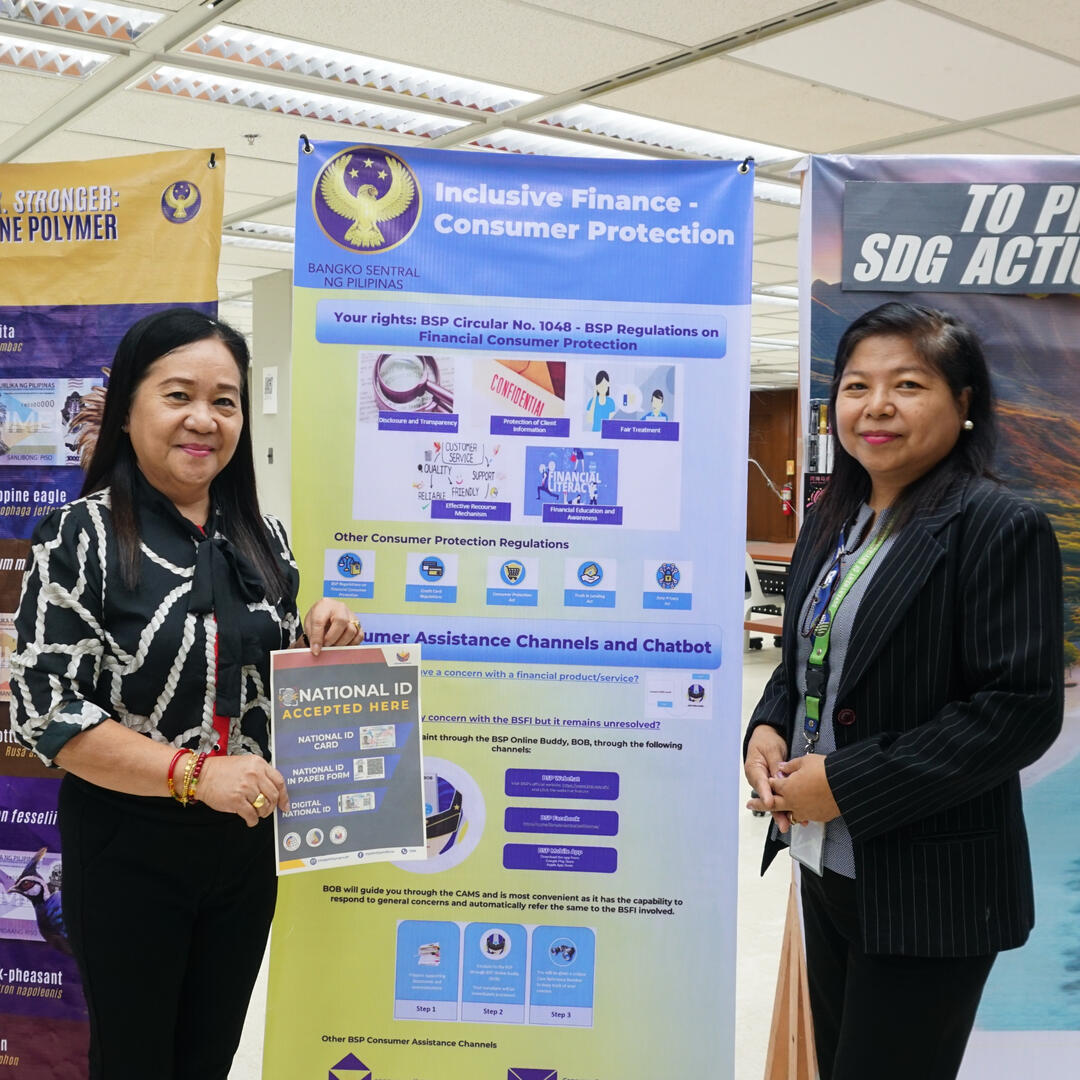
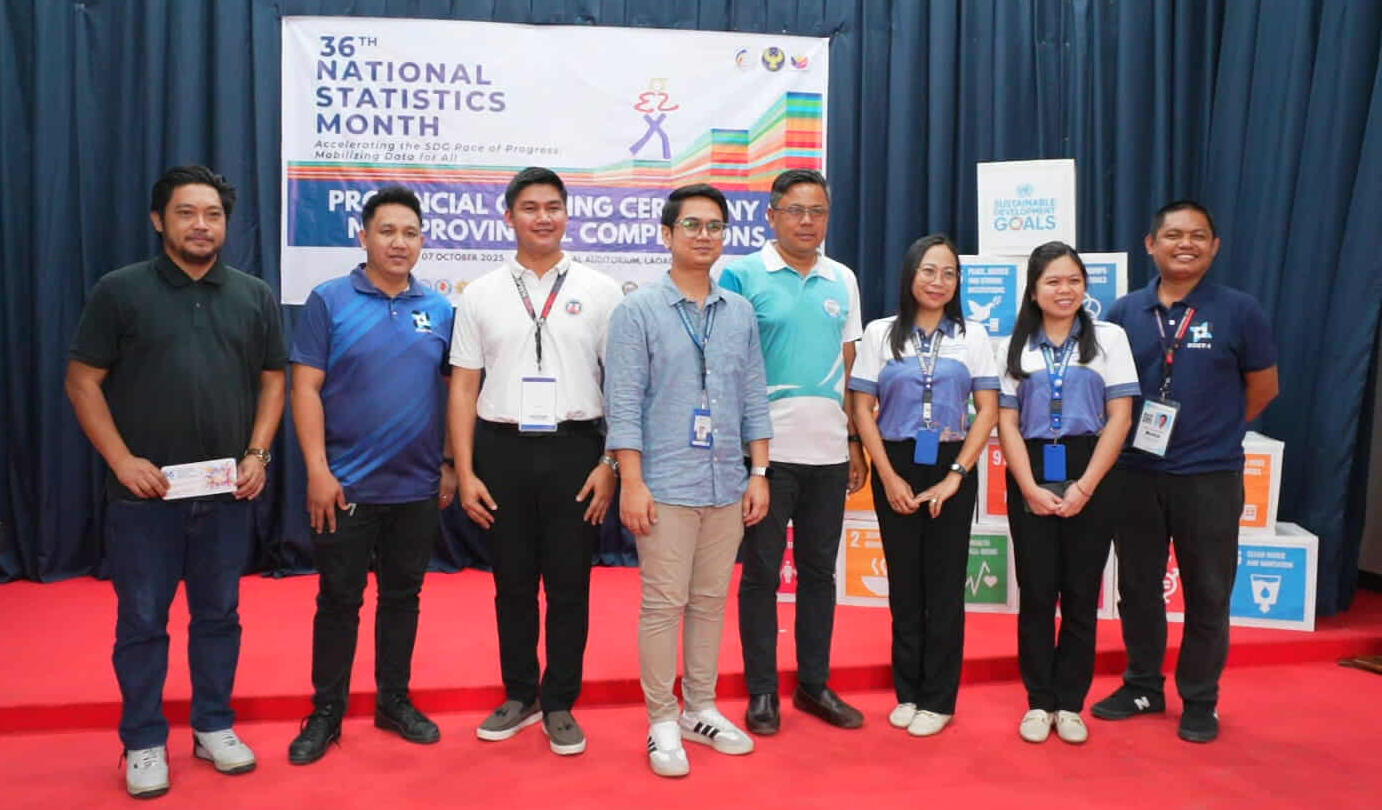
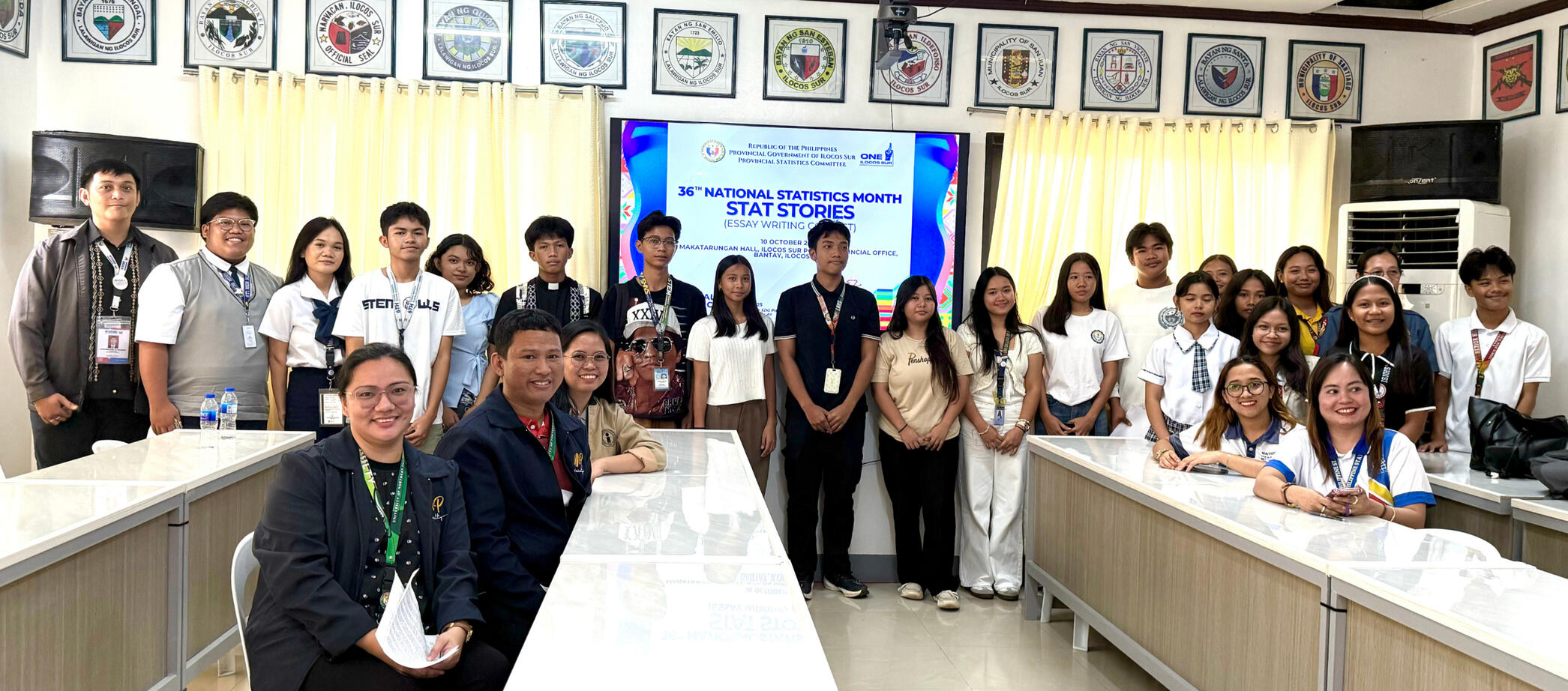
Captured moments during the conduct of the Ilocos Region 35th NSM celebration.
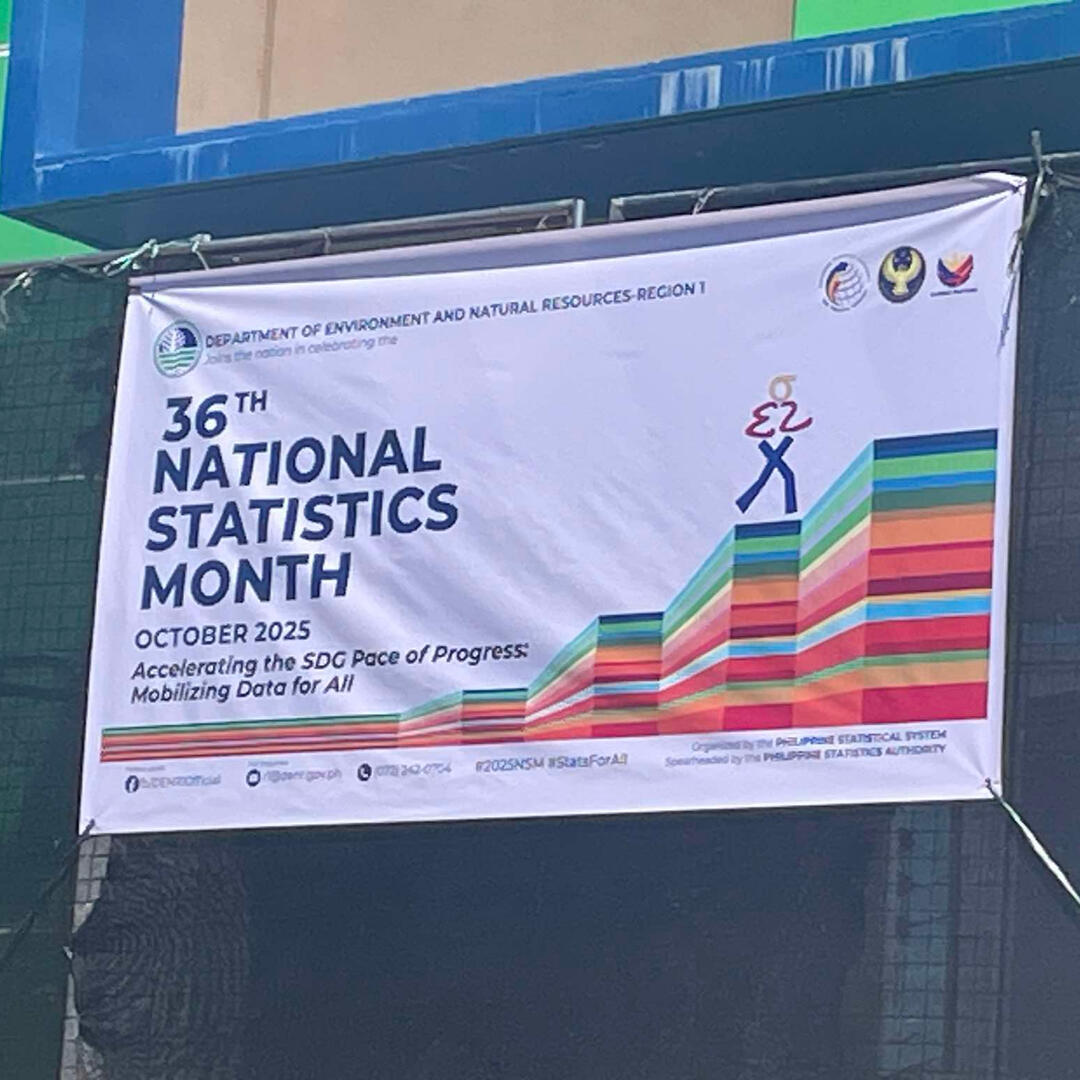
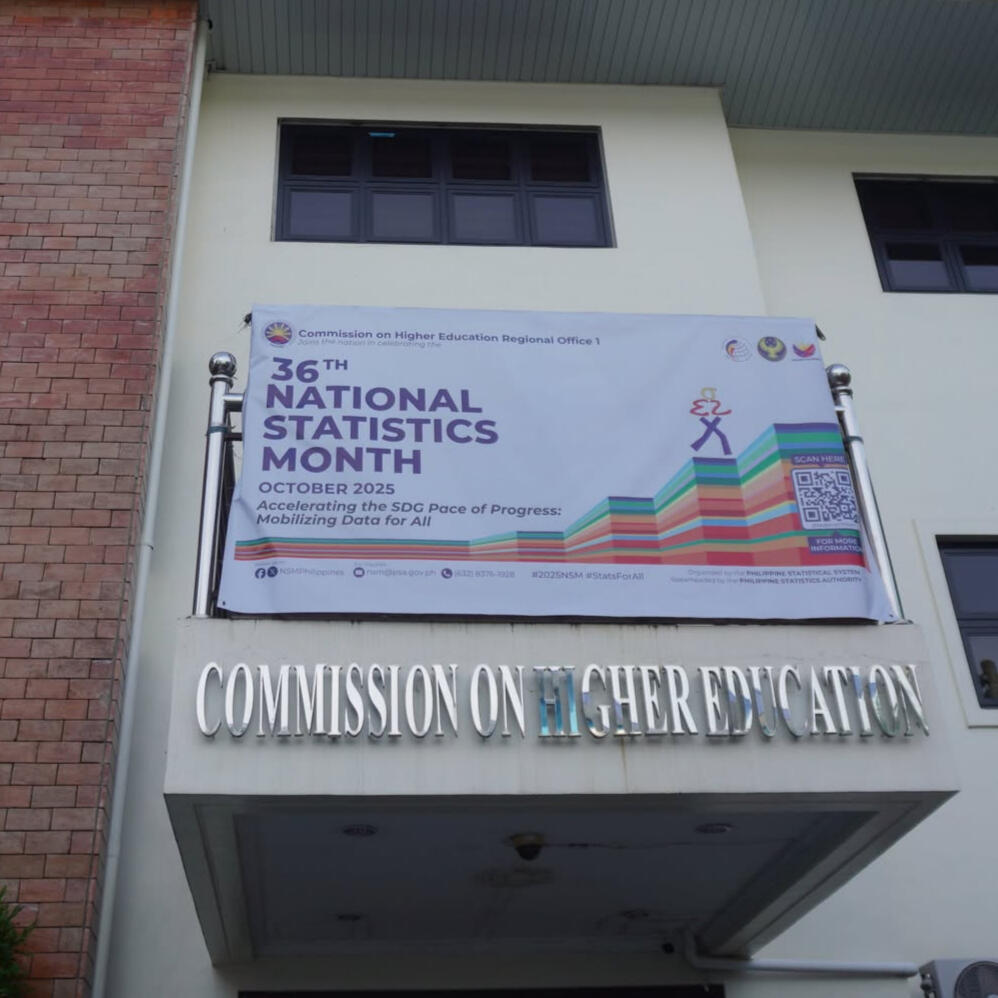
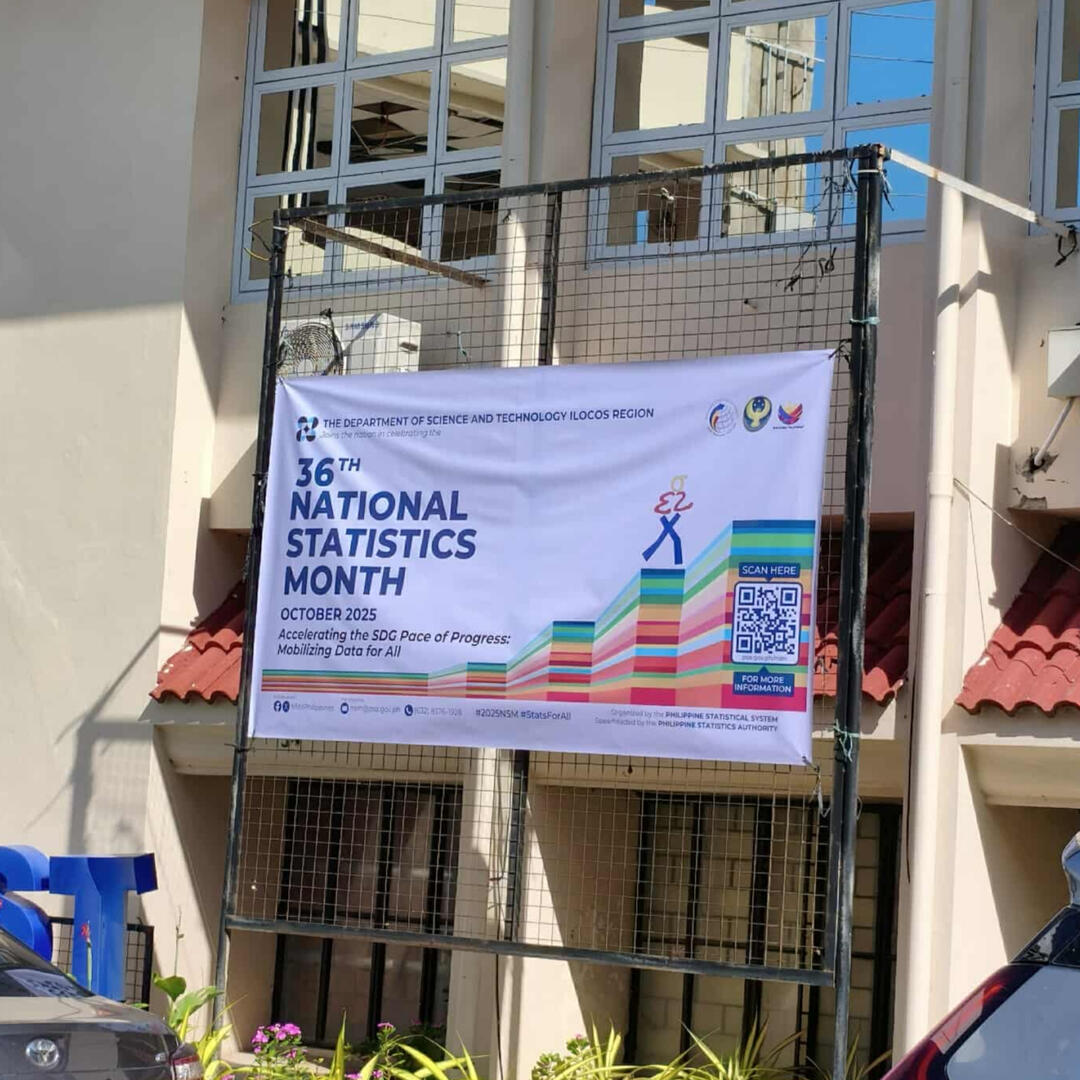
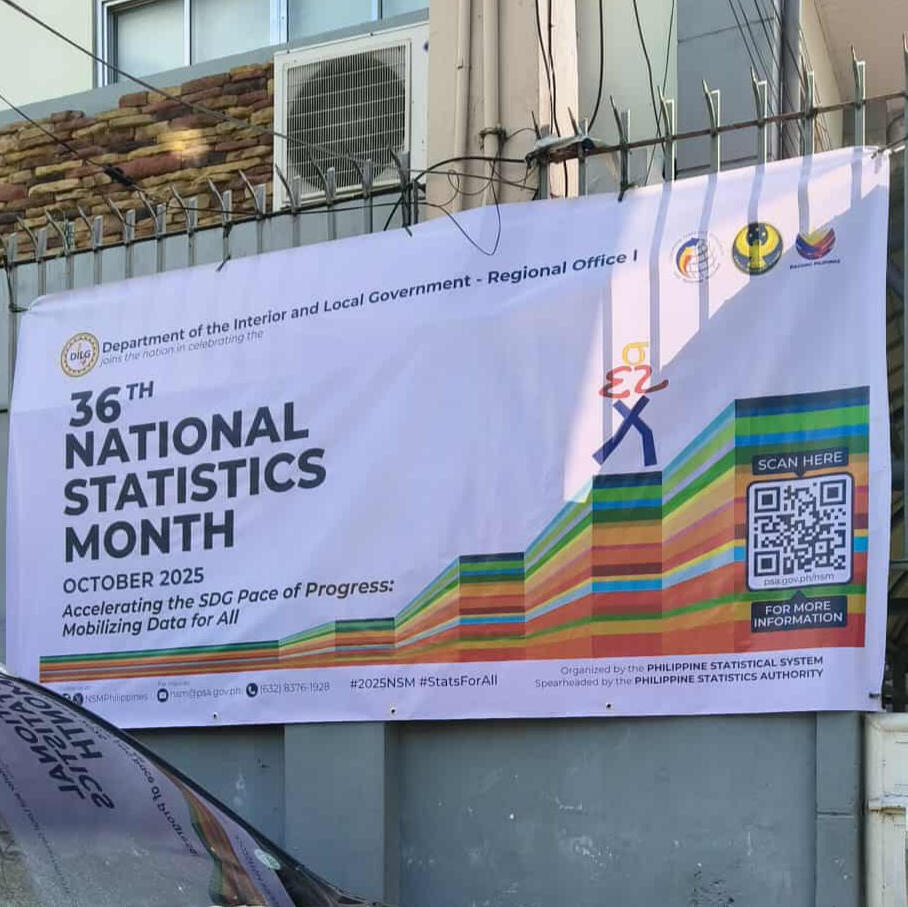
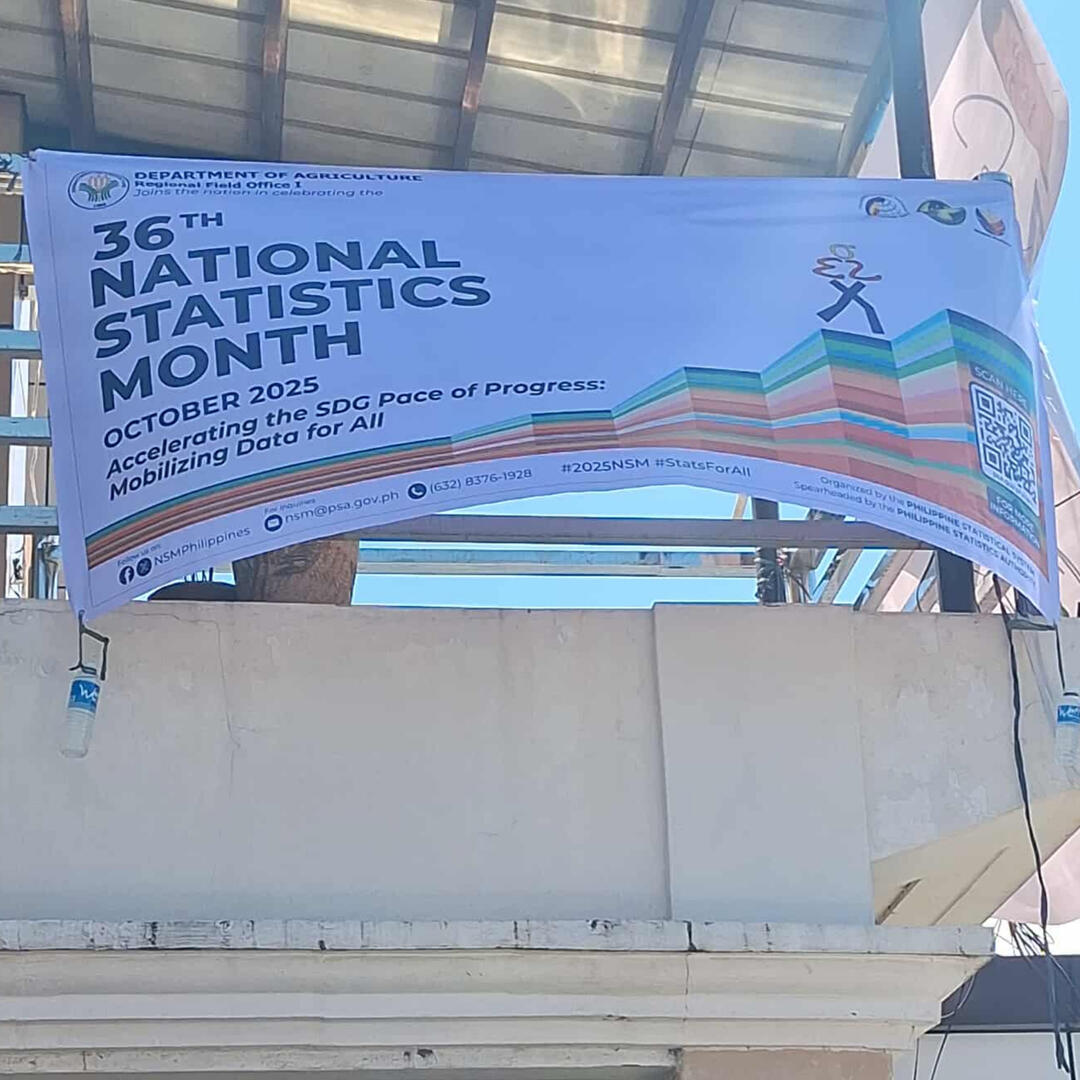
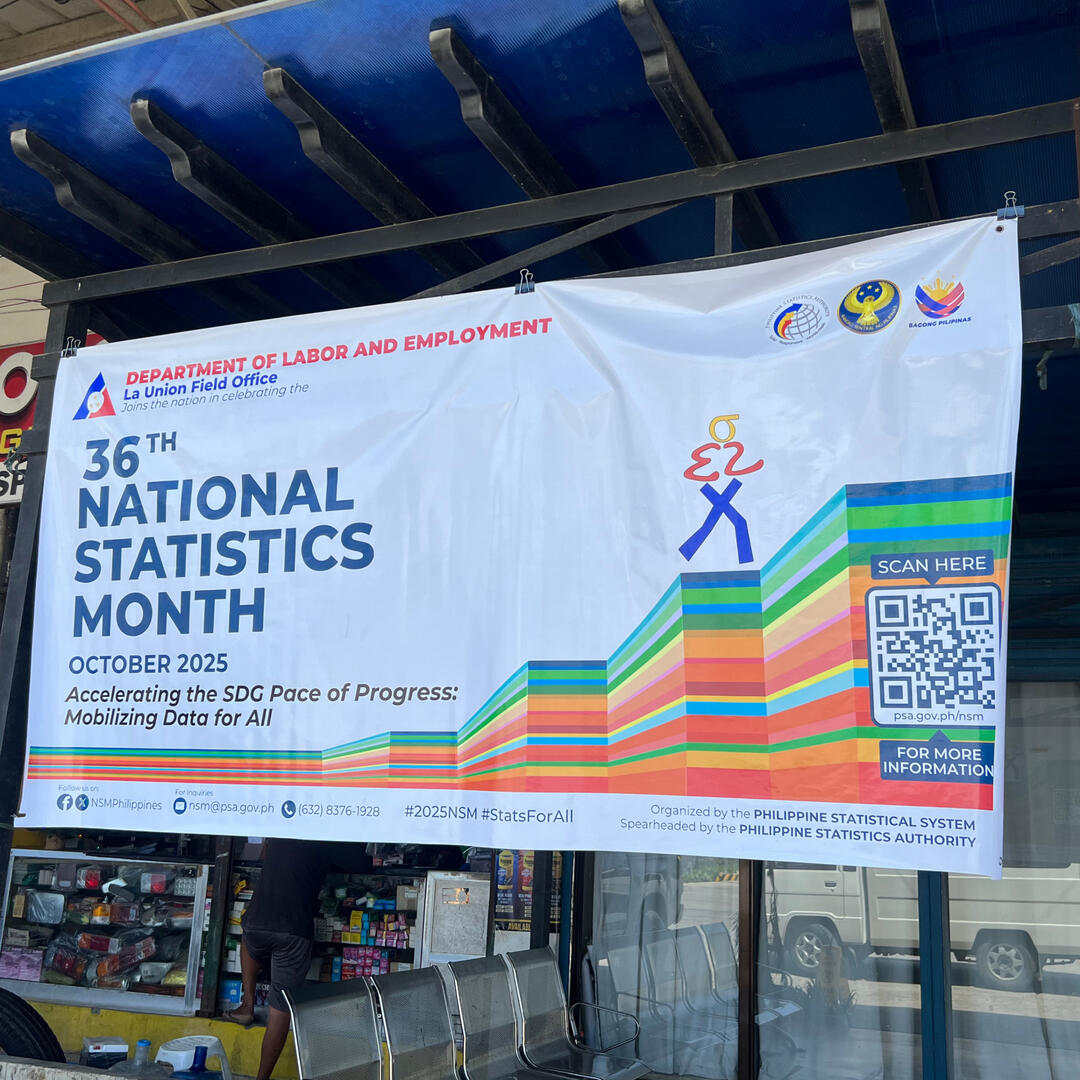
Hanging of Streamers
Regional Opening Ceremony
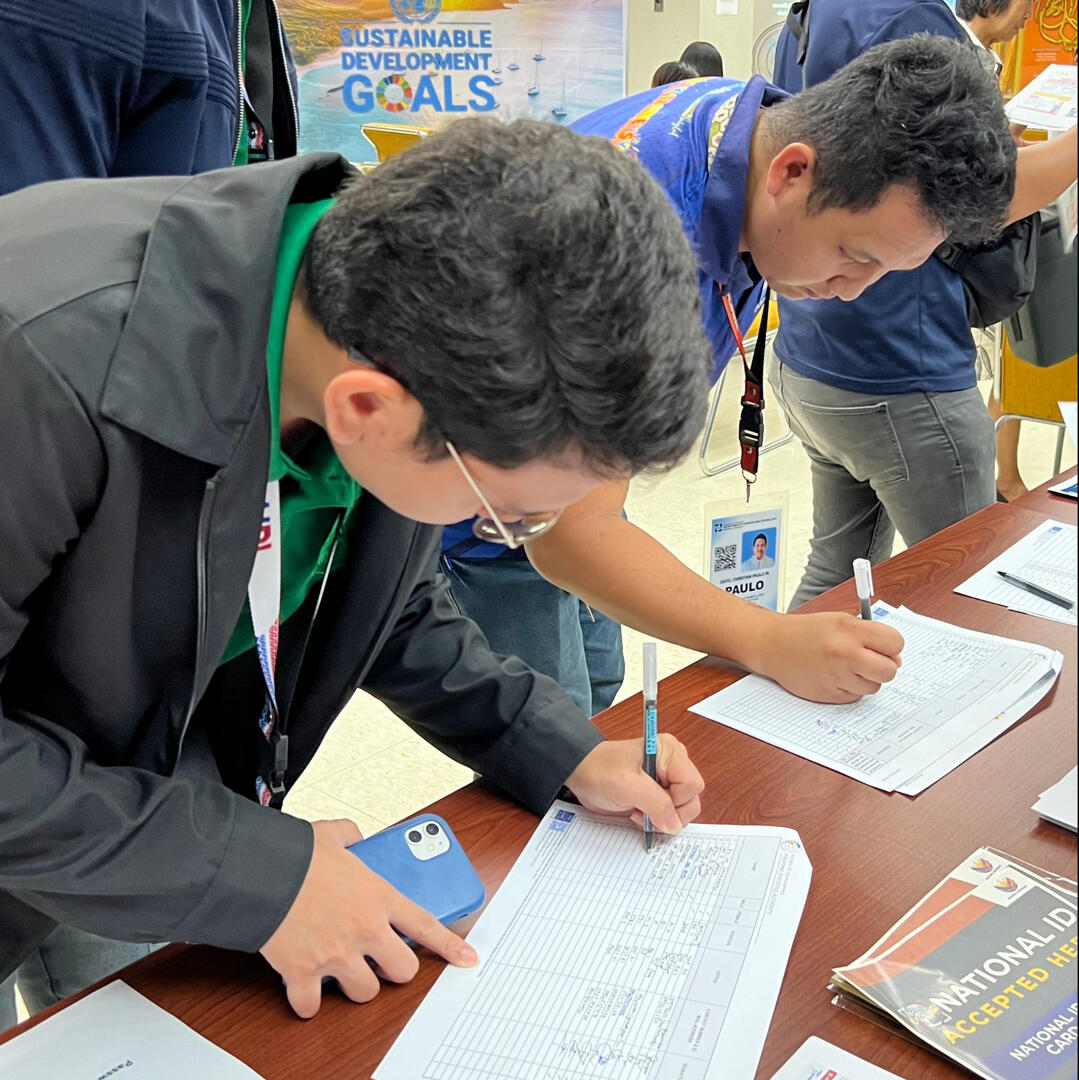


Field visits


It is the central statistical authority of the Philippine government that collects, compiles, analyzes, and publishes statistical information on economic, social, demographic, political affairs, and general affairs of the people of the Philippines, as well as enforcing the civil registration functions in the country.
Philippine Statistics Authority


It is the executive department responsible for the promotion of agricultural and fisheries development and growth.
Department of Agriculture


It is the executive department responsible for developing, implementing, and administering comprehensive social welfare policies and programs.
Department of Social Welfare and Development


It is the executive department responsible for providing central direction, leadership, and coordination for all scientific and technological efforts in the country.
Department of Science and Technology


It is the executive department responsible for the advancement, promotion, governance, regulation, management and growth of industry and trade.
Department of Trade and Industry


The central bank of the Republic of the Philippines. The BSP serves as the country's central monetary authority, responsible for maintaining price and financial stability, regulating banks and financial institutions, and managing monetary policy and foreign exchange reserves to ensure the stability and convertibility of the Philippine peso.
Bangko Sentral ng Pilipinas


It is the official public information and communications arm of the Philippine government, responsible for disseminating accurate and timely information to the public to foster citizen participation and development. Under the Presidential Communications Operations Office (PCOO), the PIA uses traditional and new media to inform Filipinos about government programs and services, aiming to improve their lives and empower communities.
Philippine Information Agency


It is the primary executive department of the Philippine government responsible for the conservation, management, development, and proper use of the country's natural resources, including lands, forests, and minerals. Its mandate is to ensure the protection of the environment and the sustainable use of resources for the benefit of present and future generations.
Department of Environment and Natural Resources


The PNP enforce laws, maintain peace and order, prevent and control crime, and ensure public safety by protecting lives and property and ensuring internal security with community support
Philippine National Police


Provincial government of ilocos norte


Provincial government of pangasinan


It is the executive department responsible for overseeing and implementing basic education policies, plans, and programs for both public and private elementary and secondary schools, as well as alternative learning systems.
Department of Education


